
Therapeutic Touch for Relaxation and Deeper Rest
There is a difference between stopping and truly resting, which is where therapeutic touch for relaxation can offer a different kind of pause.
You can put your laptop away and finish the day’s responsibilities. Yet you may still carry the pace of the day with you. Your shoulders may remain tense while your mind continues running through conversations and unfinished tasks. Even when there is nothing left to do, switching off may not come naturally.
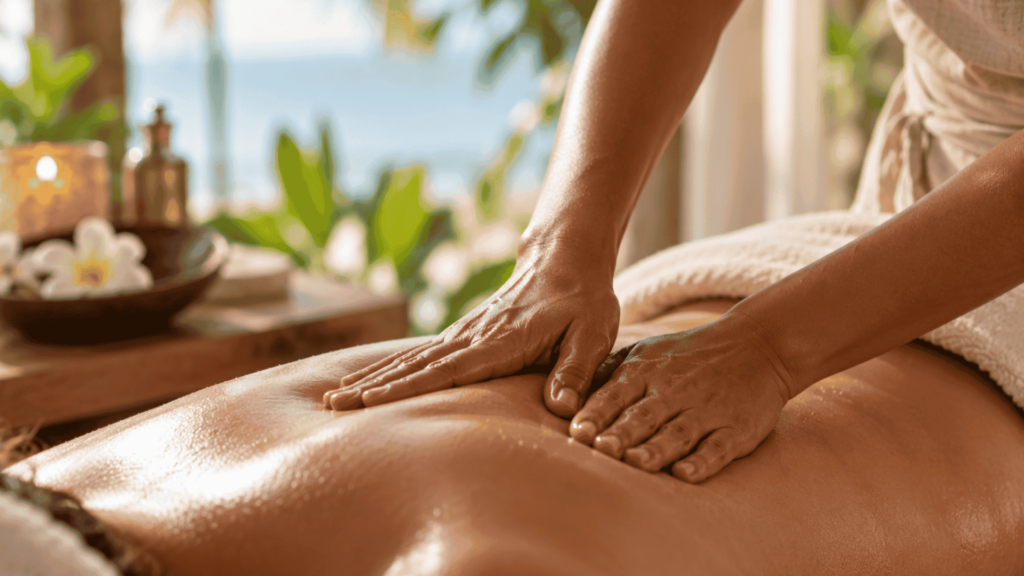
Massage and other hands on therapies offer an opportunity to slow down and release some of the physical tension you may be carrying. More importantly, they allow you to receive care without needing to do anything in return.
There is no task to complete and no outcome to achieve. For a while, your only invitation is to slow down and notice how your body feels.
For many people, that combination of touch, stillness and focused care can make relaxation feel more accessible. It is not about expecting one treatment to remove every source of stress or tiredness. Rather, it is about creating the right conditions for genuine rest, giving the body and mind an opportunity to move away from constant activity and gradually settle.
Why it can be difficult to truly switch off
Most days do not come with a clear moment when everything simply stops. Work may finish, but there are still messages to answer, meals to prepare, family responsibilities to manage and thoughts about what tomorrow might bring. Even during quieter moments, phones, and other digital distractions can keep your attention occupied. Even when none of these demands feels particularly overwhelming on its own, their cumulative effect can make genuine downtime increasingly difficult to find.
Over time it can become easy to carry this constant sense of “doing” without really noticing it. You might clench your jaw while concentrating, hold tension across your shoulders, rush through meals or move straight from one task to the next without giving yourself much time to reset.
Then the evening arrives and, although you are technically resting, you may not actually feel rested. You might be sitting on the sofa while scrolling through your phone, replaying something that happened earlier or mentally organising the following day.
Genuine rest asks for something slightly different. It is not only about having fewer things to do, but about giving yourself enough space to come out of that constant state of activity. Sometimes that happens through sleep, quiet or time in nature. At other times, the body may respond to more intentional forms of care — including massage and therapeutic touch that encourages you to slow down and reconnect with how you are feeling.
What Happens When Caring Touch Enters the Picture?
Touch is one of our most basic forms of human connection, and research suggests that supportive touch can influence both psychological and physical wellbeing. In a therapeutic setting, however, how that touch is experienced matters. Clear consent, professional boundaries, appropriate pressure and personal comfort all contribute to the experience, because what feels soothing and relaxing to one person may feel very different to another.
During a massage or therapeutic body treatment, you are also given something that everyday life rarely offers: permission to do nothing for a while. You do not need to answer a message, make a decision or produce an outcome. Instead, you can notice the warmth of the treatment, the rhythm of the therapist’s movements, your breathing and areas of the body where you may have been holding tension.
This combination of caring touch, stillness and focused attention may help explain why many people experience massage as deeply relaxing. In this way, therapeutic touch for relaxation can become one of several supportive experiences that create space for rest. It is more realistic to view it this way than to suggest that touch acts like a switch that instantly changes the nervous system.
Therapeutic Touch Can Bring You Back Into Your Body
Stress can pull your attention towards everything happening around you. You think about what needs doing, who needs a response, where you need to be next and whether you are keeping up. Meanwhile, the quieter signals coming from your body can become easy to overlook.
Therapeutic touch can gently redirect that attention inward. As you become aware of where you feel tight, comfortable, warm or relaxed, you may begin noticing your physical state with greater clarity. This body awareness does not require you to analyse every sensation; sometimes simply recognising that your shoulders have softened or your breathing has become slower is enough to bring you more fully into the present moment.
Other restorative practices can complement this experience. Gentle yoga may release some of the stiffness that builds through inactivity or repetitive movement, while breathwork and meditation can give your attention somewhere quieter to settle. When these practices sit alongside nourishing meals, adequate sleep and genuine downtime, relaxation becomes less dependent on one technique and more connected to the way you care for yourself as a whole.
Why the Setting Around You Matters Too
It is difficult to talk about rest without considering the environment in which you are trying to find it. A massage squeezed between meetings may still feel pleasant, but returning immediately to traffic, notifications and an overflowing schedule can make that sense of ease short-lived.
A retreat setting offers something different because the supportive experience continues beyond the treatment room. At The Beach House Goa, being close to the ocean, stepping away from your usual routine and having fewer everyday demands can create more room to slow down. Therapeutic treatments can then become part of a wider rhythm that includes movement, nourishing food, quiet reflection and periods when nothing urgently requires your attention.
Of course, not everyone relaxes in the same way. Some people settle through massage, while others respond more naturally to movement, meditation, time in nature or simply having uninterrupted space to themselves. A personalised approach allows different forms of rest to work together rather than assuming there is one correct way to unwind.
Learning to Make Rest Part of Your Life
The deeper value of a restorative experience is not necessarily how relaxed you feel for one afternoon. It is what the experience helps you notice about the way you live when you return home.
Perhaps you realise how much tension you carry through your working day, how rarely you sit without reaching for your phone, or how often rest gets postponed until everything else has been completed. That awareness can become useful because it allows you to make smaller, more realistic changes: taking brief pauses between tasks, stretching after long periods of sitting, protecting your sleep routine or creating moments when your body is not being asked to perform.
Therapeutic touch can form part of that process, but lasting wellbeing comes from the wider pattern. Rest becomes more sustainable when supportive practices are woven into everyday life rather than saved only for the point when exhaustion finally catches up with you.
Creating Space to Rebalance at The Beach House Goa
The Total Body Re-Balance Retreat at The Beach House Goa brings this whole-person approach together. Therapeutic touch for relaxation forms part of a broader programme that encourages you to notice where you may be holding physical tension. Alongside yoga, mindful movement, nourishing food, relaxation and personalised wellness guidance, it creates space to step away from everyday pressures and pay closer attention to your physical and emotional wellbeing.
The intention is not to suggest that one treatment can erase stress or resolve every reason you may feel tired, tense or overwhelmed. Instead, the retreat creates an environment where different forms of care can complement one another, giving you an opportunity to slow your pace and reconsider what genuine recovery looks like for you.
Sometimes rest begins with sleep. At other times, it begins by easing the pace, letting go of some of the effort you have been carrying and giving yourself enough space to simply receive care.
Disclaimer: Our content is not intended to provide medical advice or diagnosis of individual problems or circumstances, nor should it be implied that we are a substitute for professional medical advice. Users /readers are always advised to consult their Healthcare Professional prior to starting any new remedy, therapy or treatment. The Beach House – Goa accepts no liability in the event you, a user of our website and a reader of this article, suffers a loss in any way as a result of reliance upon or inappropriate application of the information hosted on our website.