
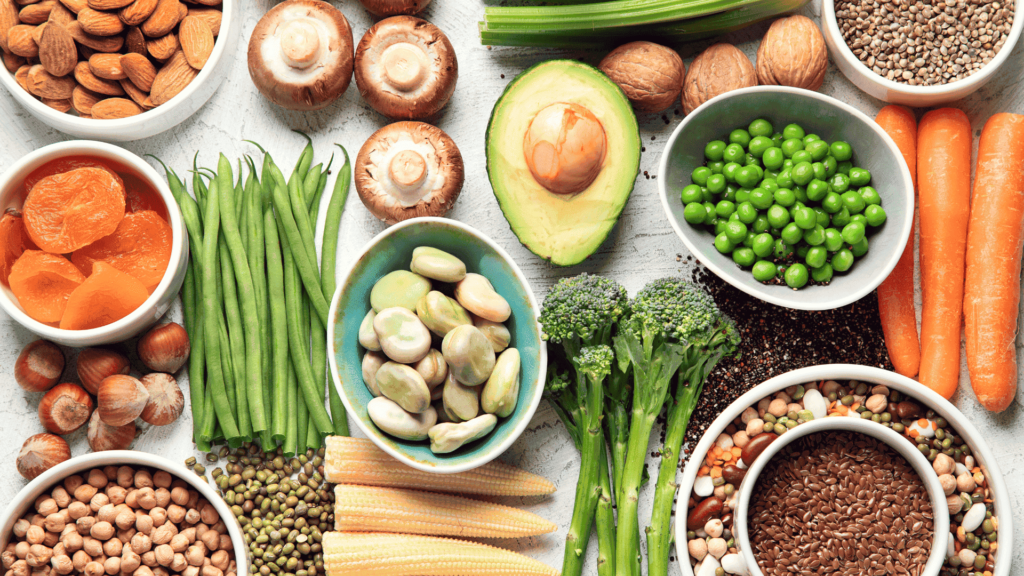
Have you ever wondered why some foods seem to leave you feeling lighter, clearer, and more energised than others? The answer often lies in something you cannot see. Inside colourful fruits, vegetables, herbs, teas, and spices are powerful plant compounds called polyphenols. These natural compounds quietly support your body by protecting cells, calming inflammation, and helping the body respond to everyday stress — which is why polyphenols for healthy ageing are becoming an important focus in modern wellness.
Your cells face small challenges every day, from pollution and emotional strain to poor sleep and the natural wear of time. Over time, these pressures can create oxidative stress, a process that slowly affects how your cells function and age.
This is where polyphenols begin to matter.
They are not a modern discovery or a passing trend. Polyphenols have always been present in the plant foods humans have eaten for generations. Science now confirms what traditional food cultures have long understood: the more vibrant and diverse your plant foods are, the more protective compounds your body receives.
When you eat these foods regularly, you are not simply satisfying hunger. You are supporting your body’s ability to repair, defend, and renew itself over time.
What Are Polyphenols?
Polyphenols are natural compounds produced by plants to protect themselves from environmental stress such as sunlight, pests, and disease.
When you eat plant foods, these same compounds begin to work inside your body as protective allies. They help neutralise harmful molecules called free radicals, reduce inflammation, support gut health, and even influence the way your genes express themselves.
In simple terms, polyphenols help your body stay more resilient and balanced as the years pass.
Researchers have linked diets rich in polyphenols to many aspects of long-term health, including:
- healthier aging
- improved heart health
- stronger immune function
- better brain performance
- reduced chronic inflammation
- support for metabolic health
But the beauty of polyphenols is not just in what they prevent. It is also in how they help you feel.
When your body is supported at a cellular level, you may notice clearer thinking, steadier energy, and a deeper sense of vitality.
Why Polyphenols Matter
Modern life quietly places a strain on your body’s natural defenses.
Highly processed foods, constant stimulation, environmental toxins, and ongoing stress can create internal pressure. Over time, this can contribute to inflammation and cellular imbalance.
This is where polyphenols for healthy ageing offer meaningful support.
Polyphenols act like gentle protectors, helping your body respond more calmly to everyday stress. They support natural detox pathways, maintain healthy blood vessels, nurture beneficial gut bacteria, and help protect brain cells over time.
Some polyphenols also influence cellular signaling, the internal communication system that guides cells on when to repair, rest, or defend themselves.
This is why researchers studying longevity continue to explore plant-rich diets. The focus is no longer only on vitamins or calories, but on how compounds like polyphenols support long-term cellular health in a steady and sustainable way.
The Colors on Your Plate Are Speaking
If you want to understand polyphenols in the simplest possible way, look at the colors of plants.
Deep reds, purples, greens, oranges, and blues are not just beautiful. They often signal the presence of protective polyphenols.
Foods especially rich in polyphenols include:
- berries such as blueberries, strawberries, and blackberries
- dark leafy greens
- olives and olive oil
- green tea and herbal teas
- cacao and dark chocolate
- turmeric and spices
- pomegranates
- grapes
- nuts and seeds
- colorful vegetables
Each plant contains different types of polyphenols, which is why diversity matters more than perfection.
You do not need one “super-food.” Your body benefits most when you regularly enjoy a wide variety of plant foods.
Polyphenols and Your Gut: A Powerful Partnership
One of the most fascinating discoveries about polyphenols involves the gut microbiome.
When polyphenols enter your digestive system, they interact with the trillions of beneficial microbes living in your gut. These microbes help break down polyphenols into even more powerful compounds that your body can absorb.
At the same time, polyphenols act like nourishment for beneficial bacteria. They help the good microbes grow stronger while discouraging harmful strains.
This relationship creates a beautiful cycle: healthy plants support healthy microbes, and healthy microbes support a healthier you.
The gut influences everything from immune function to mood and inflammation, this interaction may be one of the most important reasons polyphenol-rich diets are associated with longevity.
Longevity Is Built Through Small Daily Choices
When people hear the word longevity, they often imagine complicated regimens, restrictive diets, or expensive supplements. But longevity is rarely built through extremes.
It is built through quiet daily habits that consistently support the body.
Adding polyphenol-rich foods to your meals does not require a dramatic lifestyle change. Often it is simply about bringing more plants back into your day.
- A handful of berries with breakfast.
- Herbal tea in the afternoon.
- Olive oil over vegetables.
- Spices in your cooking.
- Dark leafy greens in a simple salad.
Over time, these small choices accumulate into something powerful.
Simple Ways to Add More to Your Day
You do not need to count polyphenols or follow complicated rules. Instead, try focusing on a few gentle habits:
Eat the rainbow: Aim for multiple colors of fruits and vegetables each day. Different colors contain different protective compounds.
Use herbs and spices generously: Turmeric, cinnamon, oregano, rosemary, and cloves are incredibly rich in polyphenols.
Choose whole plant foods more often: Fresh vegetables, fruits, nuts, seeds, and legumes naturally contain more beneficial compounds than heavily processed foods.
Drink plant-based beverages: Green tea, hibiscus tea, and herbal infusions can be simple ways to add more polyphenols.
Include good-quality olive oil: Extra virgin olive oil contains important polyphenols that support heart health.
Enjoy dark chocolate occasionally: High-cacao dark chocolate can also contribute beneficial plant compounds.
A Gentle Perspective on Longevity
Longevity is not about chasing youth forever.
It is about supporting your body so that it can remain strong, clear, and vibrant for as long as possible.
Polyphenols remind us of something beautifully simple: many of the compounds that support long-term health already exist in the natural foods humans have enjoyed for generations.
Each time you choose colorful plants, herbs, and whole foods, you are quietly supporting your future well-being, not through restriction, but through nourishment your body recognises. Sometimes lasting vitality begins with something as simple as what you put on your plate.
Disclaimer: Our content is not intended to provide medical advice or diagnosis of individual problems or circumstances, nor should it be implied that we are a substitute for professional medical advice. Users /readers are always advised to consult their Healthcare Professional prior to starting any new remedy, therapy or treatment. The Beach House – Goa accepts no liability in the event you, a user of our website and a reader of this article, suffers a loss in any way as a result of reliance upon or inappropriate application of the information hosted on our website.