
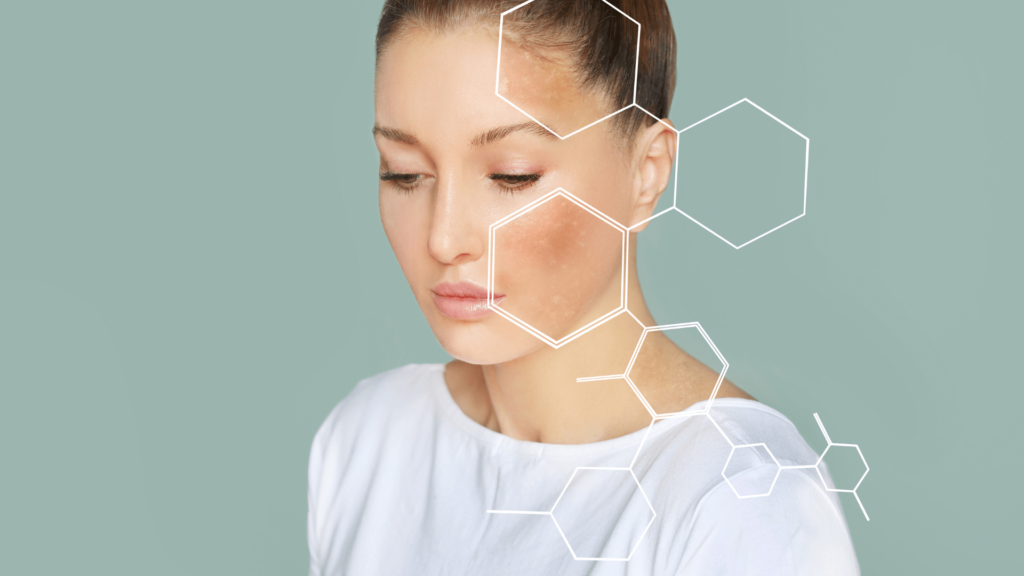
When Hormones Leave Their Marks
Dark patches on the cheeks, forehead, or upper lip can feel frustrating — especially when they appear without warning. Many women notice these shifts during pregnancy, perimenopause, stress cycles, or after starting birth control. These subtle changes often point to a deeper story happening inside the body. This is why hormonal pigmentation treatment begins with care, and an understanding of the connection between your endocrine system, skin and emotional landscape. Pigmentation isn’t just a cosmetic concern; it’s often your body’s gentle way of asking for support and balance. With the right care and a calmer internal environment, your skin can begin to feel more settled, nourished, and restored.
Why Hormonal Pigmentation Happens
Hormones influence so much of how we feel and function from our mood, energy, metabolism, and even the way our skin responds to change. When hormones like estrogen or progesterone rise or dip, they can naturally stimulate more melanin, which shows up as deeper patches of pigmentation. Understanding why this happens can help you feel more at ease and more connected to what your body is trying to tell you.
Here are some of the most common triggers, explained with care:
1. Stress & Cortisol Spikes
When you’re going through emotional or physical stress, your cortisol rises. This can gently disrupt estrogen balance and make pigmentation appear more noticeable.
2. Pregnancy & Hormonal Shifts (Melasma)
Pregnancy brings big hormonal changes, and a surge in estrogen can overstimulate melanin cells. It’s a common and completely natural response.
3. Birth Control Pills or Hormonal Therapy
Synthetic hormones can sometimes encourage melanocytes to become more active, leading to patches of darker skin.
4. Thyroid Imbalances
When the thyroid slows down, skin renewal can become sluggish, allowing pigmentation to deepen more easily.
5. Sun Exposure
UV rays intensify pigmentation already triggered by hormones, which is why sun care is such a loving form of prevention.
6. Gut Inflammation
When the gut is unsettled or inflamed, the body experiences more oxidative stress — a known contributor to hormonal pigmentation.
Each of these factors can affect melanin in its own way. That’s why true hormonal pigmentation care focuses not just on the skin, but on creating balance inside the body as well supporting you physically, emotionally, and hormonally. When both sides are nurtured, the skin begins to calm, brighten, and heal from a deeper place.
Natural Ways to Reduce Hormonal Pigmentation
Treating pigmentation holistically means calming the body, supporting hormonal balance, and nurturing the skin barrier.
Nourish From Within
Include foods rich in antioxidants and hormone-balancing nutrients:
- Flaxseeds for phytoestrogens
- Turmeric for inflammation
- Leafy greens for minerals
- Berries for antioxidant support
- Warm water with lemon to improve detoxification
These foods encourage steadier internal chemistry — a foundation for effective hormonal pigmentation treatment.
Repair the Skin Barrier
Gentle, natural topicals help reduce dark patches without causing irritation:
- Aloe vera gel — cools inflammation
- Licorice root extract — reduces melanin activity
- Kumkumadi oil — nourishes and brightens
- Rosehip oil — promotes regeneration
Avoid harsh scrubs that worsen inflammation.
Support Liver Detoxification
The liver helps metabolise hormones. When overworked, hormonal byproducts linger longer, deepening pigmentation.
Support it with:
- Dandelion tea
- Amla
- Warm water hydration
- Light evening meals
Rebuild Gut Health
A balanced gut reduces inflammation and enhances skin clarity. Add the following into your diet:
- Probiotics
- Fiber-rich meals
- Warm, cooked foods in the evening
- Anti-inflammatory herbs
Protect the Skin Daily
Even on cloudy days, sunscreen is crucial. Hormonal pigmentation darkens rapidly with UV exposure. Choose mineral-based sun protection to avoid irritation.
Regulate Stress Through Breath & Movement
Restorative yoga, slow breathwork, and time outdoors help regulate cortisol — a powerful contributor to pigmentation.
These practices strengthen the body’s rhythm, allowing hormonal pigmentation treatment to work more effectively.
When to Seek Additional Support
If pigmentation deepens, spreads, or causes emotional distress, a deeper evaluation may help. Hormonal changes often need gentle balancing through personalised nutrition, stress management, detox therapies, or Ayurvedic support.
Your skin reflects your inner world. It remembers your stress, your nourishment, your rest, and your rhythms. Healing hormonal pigmentation is not about fighting your reflection — it’s about listening to what your body is trying to tell you.
Every soothing meal, every mindful breath, every moment of rest is part of your hormonal pigmentation treatment journey.
Healing begins when softness replaces pressure, and when care becomes consistent.
An Invitation to The Beach House Goa
If your skin is asking for deeper balance and your hormones feel out of sync, the Pure Renewal: Ayurveda Detoxification Retreat, at The Beach House Goa offers a holistic path forward.
The Pure Renewal: Ayurveda Detoxification Retreat is a program that blends Ayurvedic therapies, detoxifying skin treatments and stress-regulation practices. When you enroll onto the program, our team work with you to create a nutrition plan for anti-inflammatory skin and provide you with inner calming techniques through breathwork and yoga.
Here, your skin is nurtured, your hormones supported, and your entire system invited into harmony — naturally, gently, and with expertise.
Disclaimer: Our content is not intended to provide medical advice or diagnosis of individual problems or circumstances, nor should it be implied that we are a substitute for professional medical advice. Users /readers are always advised to consult their Healthcare Professional prior to starting any new remedy, therapy or treatment. The Beach House – Goa accepts no liability in the event you, a user of our website and a reader of this article, suffers a loss in any way as a result of reliance upon or inappropriate application of the information hosted on our website.