
Have you ever noticed how easily your health routine can shift from something supportive into something stressful? You start with good intentions. You tell yourself you’ll eat clean, wake up early, exercise regularly, and finally stay consistent. For a few days, maybe even a week, you follow through. You feel in control, proud of yourself, like you’re finally “doing it right.” But then life happens. A late night. A busy workday. An unexpected plan. You skip a workout, eat something unplanned, or fall out of your routine and suddenly it feels like you’ve undone everything. That quiet thought creeps in: I need to start again. This is often where health balance not perfection becomes the lesson your body is trying to teach you.
So, you try again, this time with more rules, more discipline, more pressure to get it perfect. But instead of feeling healthier, you start feeling tense. You begin second-guessing your choices, feel guilty after certain meals, and push yourself through workouts even when your body clearly asks for rest. Health begins to feel less like care and more like something you have to constantly prove to yourself.
You may recognise this after a long day when exhaustion sets in, yet you still push yourself through a workout because you feel obligated to “stay on track,” only to end the day feeling even more depleted. Or when you eat something outside your plan and spend the rest of the day feeling like you’ve failed, even though your body may have needed that flexibility.
The Quiet Trap of “Getting It Right”
Modern wellness often reinforces this mindset without you even realising it. It gives you rules to follow, systems to optimise, routines to perfect. Eat this, avoid that, follow this schedule, stay consistent no matter what. And while these tools can be helpful, they can also quietly create the belief that your health depends on how perfectly you perform them.
You might notice how this shows up in small, everyday moments like checking if a meal is “good enough,” feeling uneasy when your routine changes, or thinking you’ve fallen behind just because one day didn’t go as planned. Over time, this constant monitoring creates pressure, and that pressure itself becomes a form of stress.
Your Body Is Not a System to Control
What often gets missed is that your body is not a system that needs to be controlled, it is something that needs to be understood. Some days you wake up feeling energised and ready to move. Other days you feel slower, heavier, or more inward. This doesn’t mean you’re being inconsistent. It means your body is responding to everything, it is processing: your sleep, your stress, your emotions, your environment. For example, on a day when you’ve slept well and feel mentally light, a workout feels natural and enjoyable. On days when your mind feels overwhelmed or sleep has been poor, even a familiar workout can leave your body feeling drained instead of supported. The difference is not your discipline it’s your state.
The Stress of Trying to Be Perfect
When you try to apply the same rigid routine to every version of yourself, your body eventually pushes back. You may notice this as burnout, loss of motivation, constant fatigue, or even frustration with yourself. You might say, why can’t I stay consistent? when in reality, your body may simply be asking for a different kind of support. This is where balance becomes more powerful than perfection.
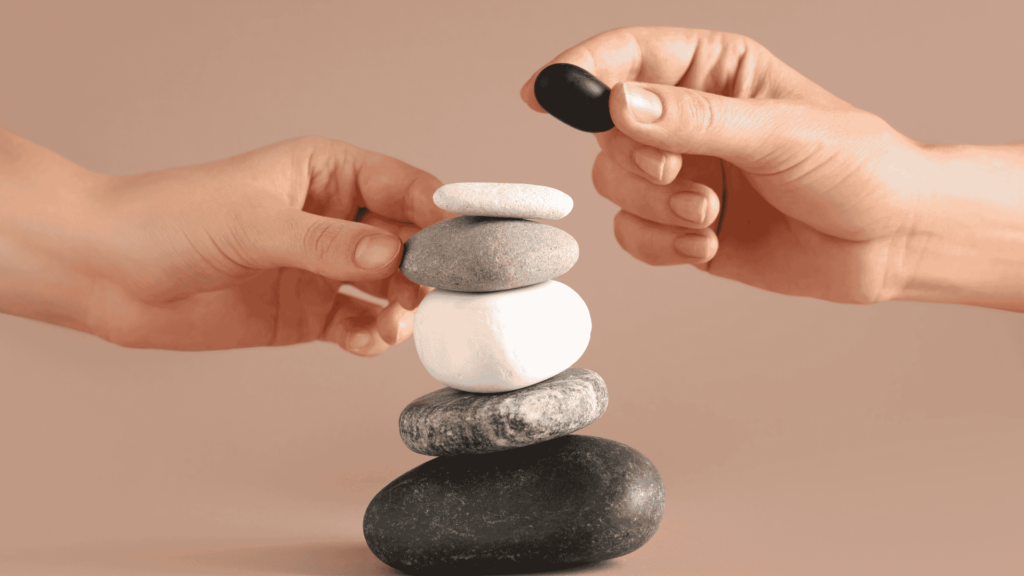
Balance is not about doing everything right. It is about learning when to move and when to rest, when to eat lightly and when to nourish deeply, when to push forward and when to pause.
What Balance Actually Looks Like
This is where health balance not perfection begins to feel more real in everyday life. In real life, balance might look like choosing a nourishing meal most of the time but also enjoying a spontaneous dinner without guilt. It might look like going for a walk instead of forcing an intense workout when your energy feels low. It might look like recognising that after a stressful week, your body may need more rest than discipline. These are not setbacks they are adjustments. These adjustments are what make health sustainable.
Learning to Listen Instead of Fix
There is also a deeper shift that happens when you stop trying to “fix” your body and start listening to it. You begin to notice patterns. You realise that when you eat calmly, your digestion feels better. When you slow down, your mind feels clearer. When you allow yourself to rest without guilt, your energy returns more naturally.
Health becomes less about following rules and more about understanding your own signals. You stop asking, what should I do? and start asking, what do I need right now?
Why Balance Creates Better Results
Interestingly, when you approach health this way, your body often responds more positively. Your energy becomes more stable, your cravings feel less intense, your digestion improves, and your overall sense of wellbeing feels calmer. This is because your body feels safe, and when the body feels safe, it functions better.
Constant pressure, even in the name of health, can keep your system in a state of stress. But balance allows your body to relax into its natural rhythm.
Returning to a More Human Way of Living
This is also why environments that support slowing down can be so powerful. At places like The Beach House Goa, wellness is not something to perfect, but something to reconnect with.
Through simple, nourishing meals, gentle movement, and space to pause, you begin to notice what your body actually responds to without the noise of constant rules. And often, when that pressure lifts, clarity returns in a way that feels natural rather than forced.
You Were Never Meant to Do This Perfectly
In the end, health was never meant to become another standard you constantly struggle to meet. Some days may feel slower, and that does not mean you are failing. You can rest, enjoy food, adjust your routine, and respond to what your body genuinely needs instead of forcing yourself through exhaustion.
True health is not built through perfect days. It grows through small, imperfect choices that you return to with consistency, awareness, and compassion over time. When you begin approaching wellness with that softness, the body often responds differently. Energy steadies, tension softens, and balance begins returning naturally.
Disclaimer: Our content is not intended to provide medical advice or diagnosis of individual problems or circumstances, nor should it be implied that we are a substitute for professional medical advice. Users /readers are always advised to consult their Healthcare Professional prior to starting any new remedy, therapy or treatment. The Beach House – Goa accepts no liability in the event you, a user of our website and a reader of this article, suffers a loss in any way as a result of reliance upon or inappropriate application of the information hosted on our website.