
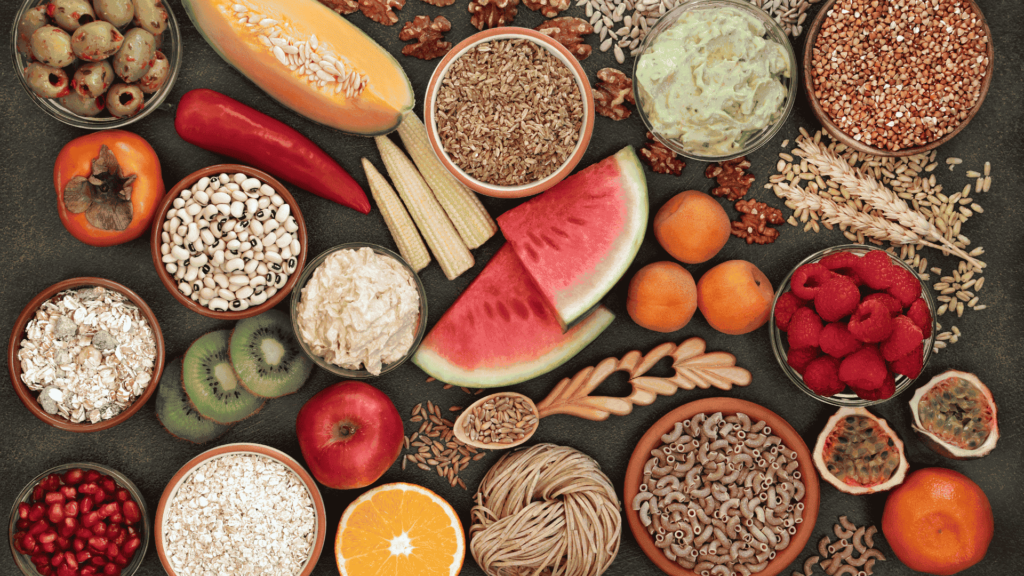
For years, fibre sat quietly in the background while protein, low-carb diets, and quick-fix supplements took centre stage. But as the focus shifts from fast results to long-term wellbeing, fibre is finally making a comeback. And for good reason. This simple nutrient plays a powerful role in supporting digestion, balancing blood sugar, nourishing the gut, and helping you feel fuller for longer. As more people begin looking for sustainable ways to support their health, fibre is once again making its way back into everyday awareness for the difference it can create.
Why Fiber Matters More Than You Think
Fibre is a type of carbohydrate found in plant foods that the body cannot fully digest. At first, that may not sound especially impressive, but this is exactly what makes fibre so valuable. Instead of breaking down like other carbohydrates, it moves through the gut, supporting the trillions of beneficial bacteria that live there. Together, these microbes form the gut microbiome, which plays an important role in metabolism, immunity, and even mood. So, when you eat enough fibre, you are doing more than supporting regularity. You are nourishing an inner ecosystem that helps keep the body balanced, resilient, and well. This is one of the reasons fibre matters far more than many people realise.
Fiber for Gut Health and the Microbiome
Inside your gut lives a vast community of microorganisms known as the gut microbiome. Trillions of bacteria live there, quietly influencing digestion, immunity, metabolism, and even mood.
What many people don’t realise is that these microbes rely heavily on dietary fiber for their nourishment.
Unlike nutrients that the body absorbs earlier in digestion, fibre travels through the system until it reaches the large intestine. There, beneficial bacteria ferment it and produce compounds called short-chain fatty acids. These compounds help strengthen the gut lining, regulate inflammation, support immune balance, and influence how the body manages energy and blood sugar.
In this way, fibre forms an important link between the food you eat and the health of your inner ecosystem. When your diet includes a variety of fibre-rich foods, beneficial bacteria are more likely to thrive, helping the gut remain balanced and resilient. When fibre intake is too low, these helpful microbes begin to decline, which can affect many areas of health.
This is why fibre is increasingly valued not only as a digestive aid, but also as a foundational nutrient for whole-body wellbeing.
Why “Fibremaxxing” Is Trending
The idea behind fibremaxxing is simple: gradually increasing the amount of fibre-rich whole foods in your diet.
Many people today consume far less fibre than the body actually needs. Highly processed foods often remove the fibre that naturally occurs in plants, leaving meals that digest quickly but offer less nourishment for gut bacteria.
As awareness grows around the gut microbiome and its influence on overall health, this way of eating is gaining renewed attention. Rather than focusing only on what to remove, fibermaxxing encourages people to add more whole plant foods back onto the plate.
And when people begin doing this, they often notice several changes:
- improved digestion
- steadier energy levels
- reduced cravings
- better blood sugar balance
- longer feelings of fullness after meals
In many ways, the trend is less about restriction and more about returning to the kinds of foods the body evolved to digest.
High Fiber Diet Benefits Beyond Digestion
Most people associate fiber with digestive health, but its benefits reach much further. A diet rich in fiber can help support:
Heart health: Fiber helps reduce LDL cholesterol levels and supports healthy blood vessels.
Blood sugar balance: Fiber slows the absorption of sugars, helping stabilise energy and prevent sharp spikes and crashes.
Weight management: Fiber-rich foods help you feel fuller for longer, which naturally supports balanced eating habits.
Inflammation reduction: Healthy gut bacteria produced through fiber fermentation help regulate inflammatory processes in the body.
Long-term metabolic health: Research increasingly links higher fiber intake with a lower risk of metabolic diseases.
In other words, fiber supports the systems that quietly keep the body functioning well over time.
Gut Health Foods Naturally Rich in Fiber
The best sources of fiber are whole plant foods that humans have eaten for centuries.
Some of the most powerful gut health foods include:
- vegetables such as broccoli, carrots, and leafy greens
- fruits like apples, berries, and pears
- legumes including lentils, chickpeas, and beans
- whole grains such as oats, quinoa, and brown rice
- nuts and seeds like chia, flax, and almonds
These foods not only provide fiber but also deliver vitamins, minerals, antioxidants, and polyphenols that further support the gut microbiome.
The key is variety. Different plants contain different types of fiber, which nourish different beneficial bacteria in your gut.
The more diverse your plant foods are, the more balanced your gut ecosystem can become.
A Gentle Way to Begin Increasing Fiber
If you are interested in increasing your fibre intake, the most effective approach is also the simplest: start slowly and focus on whole foods.
You might begin by adding a serving of vegetables to each meal, including fruit as a snack, or incorporating legumes and whole grains into your weekly cooking.
Drinking enough water also supports this process, as fibre works best when the body stays well hydrated. Over time, these small shifts can significantly improve digestive comfort and overall wellbeing.
Returning to the Power of Simple Foods
The renewed interest in fibre is not about chasing another wellness trend. It is about coming back to what has supported human health all along — simple, plant-rich foods that nourish the body deeply and consistently. When you eat more whole plants, you are not only feeding yourself. You are feeding the inner ecosystem that influences digestion, energy, and how you feel each day.
Real change often begins simply. More plants. More colour. And a little more fibre. Not through restriction, but through nourishment.
Sometimes, supporting Gut Health requires more than just adjusting what you eat. It means giving your body the space and support it needs to reset. At The Beach House Goa, wellness retreats combine nourishing high-fiber meals, gut-supportive foods, and restorative practices that allow the body to rebalance naturally. When the gut begins to heal many people notice their energy, digestion, and overall sense of wellbeing begin to feel lighter again.
Disclaimer: Our content is not intended to provide medical advice or diagnosis of individual problems or circumstances, nor should it be implied that we are a substitute for professional medical advice. Users /readers are always advised to consult their Healthcare Professional prior to starting any new remedy, therapy or treatment. The Beach House – Goa accepts no liability in the event you, a user of our website and a reader of this article, suffers a loss in any way as a result of reliance upon or inappropriate application of the information hosted on our website.