
When Your Mood Feels Unpredictable
Some days feel heavier than they should. You wake up already tired. You may wake up feeling emotionally steady, only to feel irritable, tired, anxious, or emotionally overwhelmed a few hours later. Small things feel overwhelming. Your patience disappears faster. You crave sugar, caffeine, or comfort foods without fully understanding why. Often, you assume it is only stress. But sometimes the body is trying to communicate something deeper. Sometimes these changes appear without any obvious reason.
You may blame stress, lack of sleep, or a difficult day. While these certainly play a role, the body often influences emotional balance more than we realise.
This is where the connection between foods that stabilise mood and emotional wellbeing begins to matter.
Because mood is not only shaped by thoughts and emotions. It is also influenced by energy, nourishment, digestion, and the way the body responds throughout the day.
The Often-Overlooked Connection Between Food and Mood
Most people think about food in terms of weight, energy, or physical health. Yet the relationship between food and emotions quietly affects daily life as well.
The body relies on nourishment to create steady energy. Energy influences how stable, focused, and emotionally balanced you feel. When nourishment becomes inconsistent, mood often becomes inconsistent too. This is why the food and mood connection feels so important.
Some meals leave you feeling calm, clear, and steady. Others create heaviness, irritability, fogginess, or sudden crashes. Over time, these patterns begin shaping not only your physical wellbeing, but your emotional state as well.
Why Blood Sugar Plays a Bigger Role Than You Think
One of the biggest influences on mood is blood sugar stability. When meals contain excessive sugar or refined foods without balance, energy rises quickly and then drops just as fast. These fluctuations affect more than physical energy. They also affect emotional steadiness.
You may notice:
- sudden tiredness after eating
- increased irritability when meals are delayed
- cravings for sugar or caffeine
- feeling emotionally low during energy crashes
This is why stabilising blood sugar mood becomes such an important part of emotional wellbeing.
Skipping meals, relying on sugary snacks, or drinking caffeine without enough nourishment can quietly keep the body moving between spikes and crashes throughout the day.
How Food Affects Your Emotional State
The body responds constantly to what it receives. When nourishment feels balanced and consistent, emotions often feel steadier too. Energy becomes more reliable. Mental clarity improves. The nervous system feels less reactive.
When the body lacks support, emotional fluctuations tend to increase. This does not mean food controls every emotion. It simply means the body and mind influence one another deeply. Understanding how food affects mental health allows you to support yourself more gently instead of constantly trying to “fix” your mood. Sometimes emotional balance begins with supporting the body first.
Balanced Meals That Keep Energy Steady
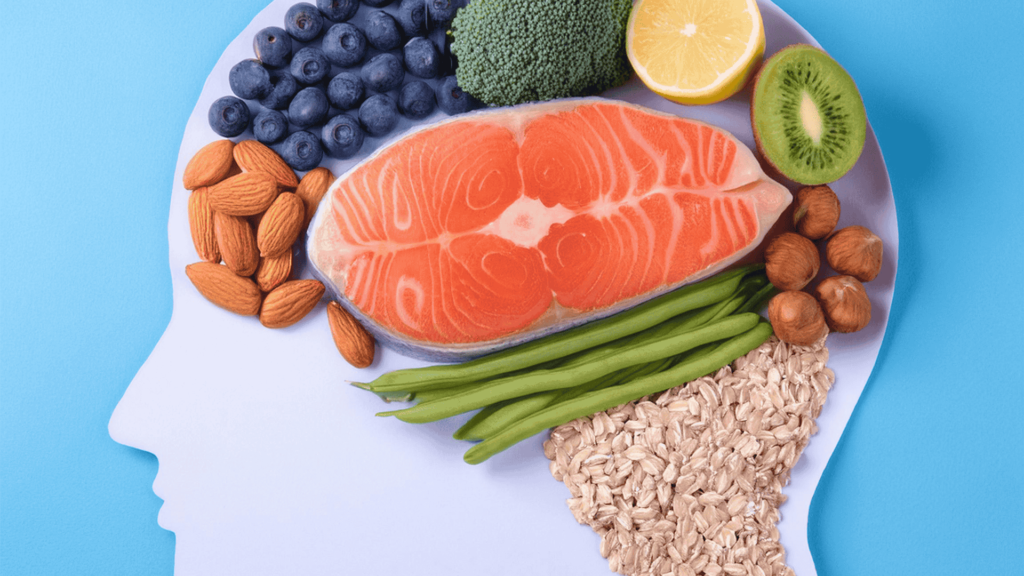
Meals that combine protein, fibre, and healthy fats often create steadier energy throughout the day.
Simple examples include:
- eggs with vegetables
- lentils with rice and vegetables
- nuts and seeds with fruit
- nourishing soups and balanced bowls
These combinations help the body process energy more gradually, which supports emotional steadiness as well.
Whole, Unprocessed Foods
Whole foods usually create fewer spikes and crashes than heavily processed options.
Foods for emotional balance often include:
- vegetables
- fruits
- whole grains
- legumes
- nuts and seeds
- naturally nourishing fats
These foods support the body in a slower, steadier way.
Regular Eating Patterns
The body responds well to rhythm. Eating regularly instead of skipping meals helps create stability for both energy and mood. Long gaps between meals can increase irritability, cravings, and emotional sensitivity without you fully noticing why. This is one reason many foods that stabilise mood work best when paired with consistency.
What Disrupts Your Mood Without You Realising
Mood disruptions are not always caused by emotional stress alone.
Sometimes the body struggles because of small daily patterns such as:
- irregular eating habits
- excess sugar or refined foods
- too much caffeine without enough nourishment
- eating too quickly
- long gaps between meals
These habits often become normalised, especially during busy periods. Over time, though, they can quietly affect emotional balance, energy, and clarity. This is why the idea of a diet for mood swings is not really about restriction. It is about creating steadier support for the body.
Why It’s Not Just About What You Eat, But How
The body notices more than ingredients alone. You may eat nourishing foods, yet still feel unsettled if meals happen while rushing, scrolling on your phone, working, or feeling stressed. Digestion responds not only to food, but to the state your body is in while eating.
When meals happen more slowly and with awareness, the body often responds differently. This gentle form of mindful eating allows nourishment to feel more complete. It also supports digestion, steadier energy, and emotional calm more naturally.
The Subtle Shift: From Managing Mood to Supporting It
Many people approach emotional wellbeing by trying to control or fix their mood. Yet the body often responds better to support than pressure.
Small, consistent choices usually create more lasting shifts than extreme changes. Nourishing meals, balanced rhythms, steadier energy, and mindful awareness slowly help the nervous system feel more supported over time. This is where foods that stabilise mood become less about perfection and more about creating steadiness from within.
A More Balanced Way to Nourish Yourself
Food is not something you need to fear or control constantly. It can become a source of support instead. Mood is not always something to fight against. Often, it is something the body responds to based on how nourished, rested, and supported you feel each day.
At The Beach House Goa, the Self-Healing Journey approaches nutrition through awareness, balance, and nourishment rather than restriction. Through mindful meals, guided support, and a slower rhythm of living, you begin to understand how food affects not only the body, but emotional wellbeing too.
Not through strict rules. But through small, supportive choices that help you feel more steady, calm, and connected over time.
Disclaimer: Our content is not intended to provide medical advice or diagnosis of individual problems or circumstances, nor should it be implied that we are a substitute for professional medical advice. Users /readers are always advised to consult their Healthcare Professional prior to starting any new remedy, therapy or treatment. The Beach House – Goa accepts no liability in the event you, a user of our website and a reader of this article, suffers a loss in any way as a result of reliance upon or inappropriate application of the information hosted on our website.